

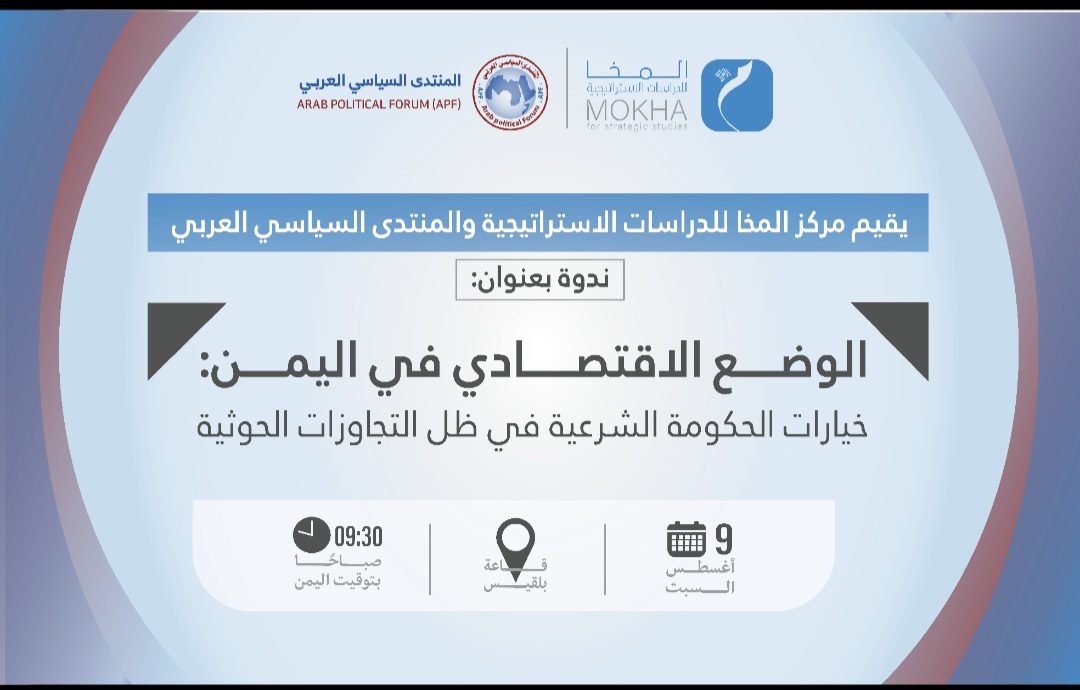
The Economic Situation in Yemen: Options for the Legitimate Government Amid Houthi Violations
Share the post "The Economic Situation in Yemen: Options for the Legitimate Government Amid Houthi Violations"
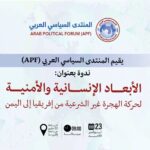
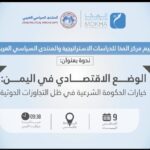
The Arab Political Forum (APF) and the Mocha Center for Strategic Studies held an economic seminar on the economic situation in Yemen.
The event was considered one of the most prominent economic seminars in the Yemeni landscape. It was jointly organized by the Arab Political Forum and the Mocha Center for Strategic Studies under the title “The Economic Situation in Yemen: Options for the Legitimate Government Amid Houthi Violations.”
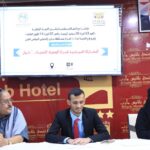
The seminar witnessed wide attendance that included political party leaders. Among those present were Mr. Naji Al-Hunaishi, Head of the Yemeni Socialist Party branch in Marib; Dr. Yahya Al-Qansi, Secretary of the Arab Socialist Ba’ath Party branch in Marib; Mr. Ali Al-Sayadi, Head of the Political Department of the Islah Party in Marib; Sheikh Abdulrahman Al-A’dhal Al-Muradi, Head of the Rashad Yemeni Party branch in Marib; Mr. Ali Mohammed Baqlan, Head of the Nasserist Unionist Organization branch in Marib; and Mr. Mohammed Muftah, Head of the Youth Department of the General People’s Congress in Marib.
Also attending were Sheikh Abdulkarim bin Haidar, Secretary-General of the Marib Inclusive Conference; Dr. Saleh Jamala, Deputy Governor of Al-Jawf Governorate; Mr. Abdo Maswa, Deputy Governor of Hajjah Governorate; and Mr. Abdullah Al-Dhabyani, Secretary-General of the Political Forum for Democratic Development. The seminar was further attended by economic and academic figures, several directors-general of government offices, as well as students from the Department of Political Science at Saba Region University.
The opening session took place in an atmosphere reflecting the importance of the topics under discussion, particularly in light of recent economic developments, which are characterized by mixed indicators of monetary improvement and government reforms, alongside continued Houthi measures that threaten the national economy.
The seminar coincided with a noticeable improvement in the value of the national currency in recent weeks as a result of a package of reforms adopted by the Yemeni government and the Central Bank of Yemen. At the same time, the Houthi group continues to implement illegal measures, most notably issuing an unrecognized currency and taking steps targeting banking and commercial activities, thereby increasing pressure on the national economy.
Opening Remarks:
The President of the Arab Political Forum, Professor Salahuddin Kamel Al-Sharabi, welcomed the participants and emphasized that the meeting comes at a critical time that requires all parties to work together to preserve economic stability and protect the country’s resources. He stated:
Today we meet to discuss, with objectivity and transparency, the challenges facing our national economy and to jointly develop practical solutions that will enable the legitimate government to restore economic stability and protect the resources of the Yemeni people from any violations.
The organizers also explained that the aim of the seminar was to highlight current challenges, analyze the economic situation, and present practical and implementable options available to the legitimate government.
Main Themes:
The seminar’s discussions were organized around three main themes, moderated by specialized experts and academics:
1. The Economic Situation Amid Monetary Division: presented by Prof. Azhar Al-Qudsi, Professor of Macroeconomics at Saba Region University, who addressed the effects of monetary division on exchange rates, financial flows, and domestic trade. She called for the reunification of the banking system and better coordination of monetary policies.
2. Houthi Violations and the Issuance of an Illegal Currency: Presented by Mr. Mohammed Al-Jamaei, an economic analyst, who explained the risks resulting from the Houthi group’s printing of an illegal currency. He called for intensified diplomatic efforts and stricter oversight of ports and markets.
3. Options for the Legitimate Government to Address the Economic Situation: Presented by Dr. Abdo Madhesh, Vice President of Al-Bayda University, who proposed a roadmap that included strengthening financial transparency, diversifying sources of revenue, restructuring public expenditures, and activating the role of the Central Bank in regulating the market.
Conclusion:
The seminar concluded by emphasizing the importance of unifying the national economic vision and supporting the path of government development reforms, while stressing that continued dialogue between policymakers, experts, and the private sector is essential for strengthening financial stability and opening new prospects for development in Yemen.
Post Comment